
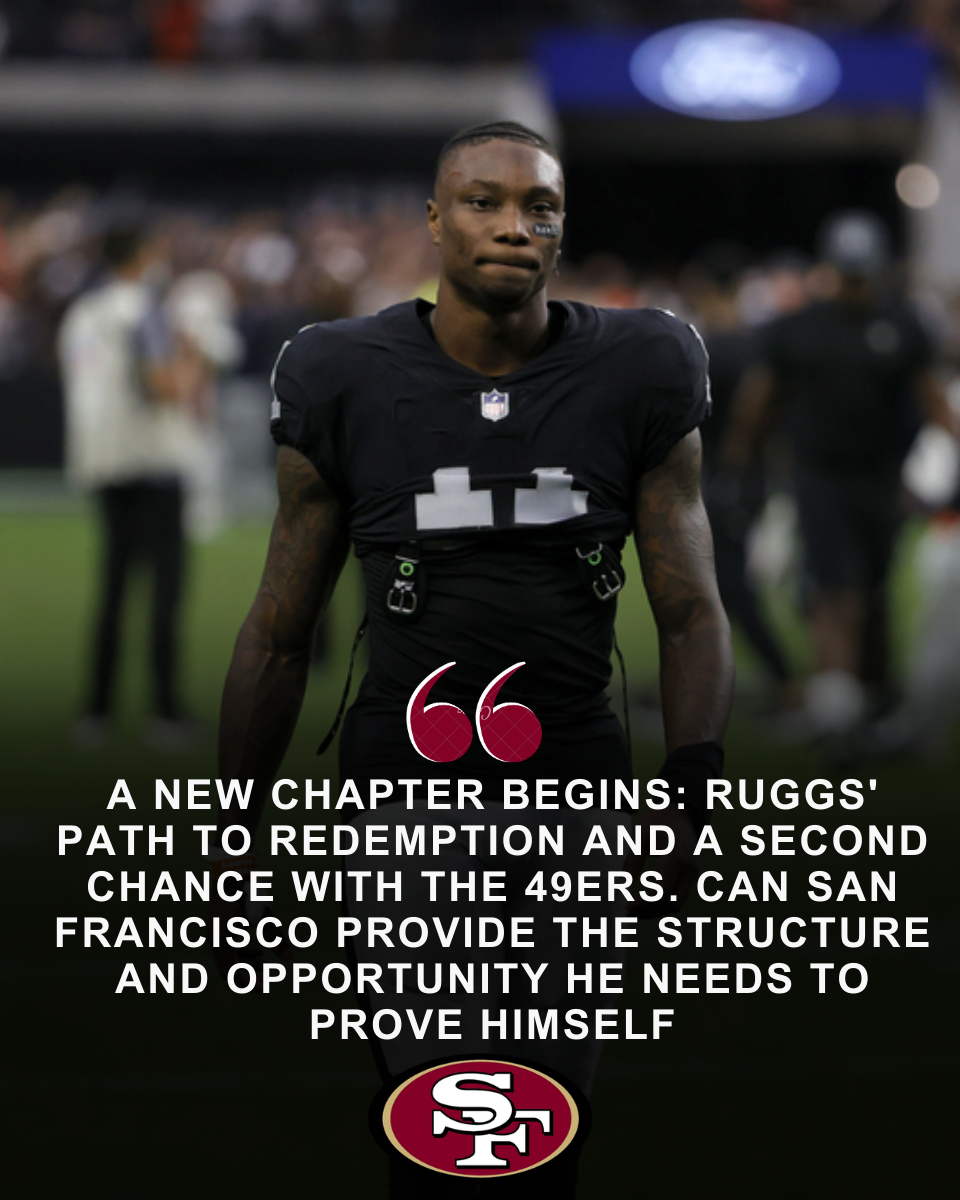
San Francisco, CA — If the 49ers were to consider signing former Raiders first-round pick Henry Ruggs III, it would instantly become one of the most scrutinized personnel decisions in recent NFL memory.
This would not simply be a football move. It would be a cultural, legal, and public-relations decision layered with enormous weight.

The League Process Comes First
Before any team could sign Ruggs, several hurdles would need to be cleared:
-
Completion of legal sentencing terms
-
Potential probation conditions
-
Review under the NFL's Personal Conduct Policy
-
Possible suspension or reinstatement process
-
Approval from the league office
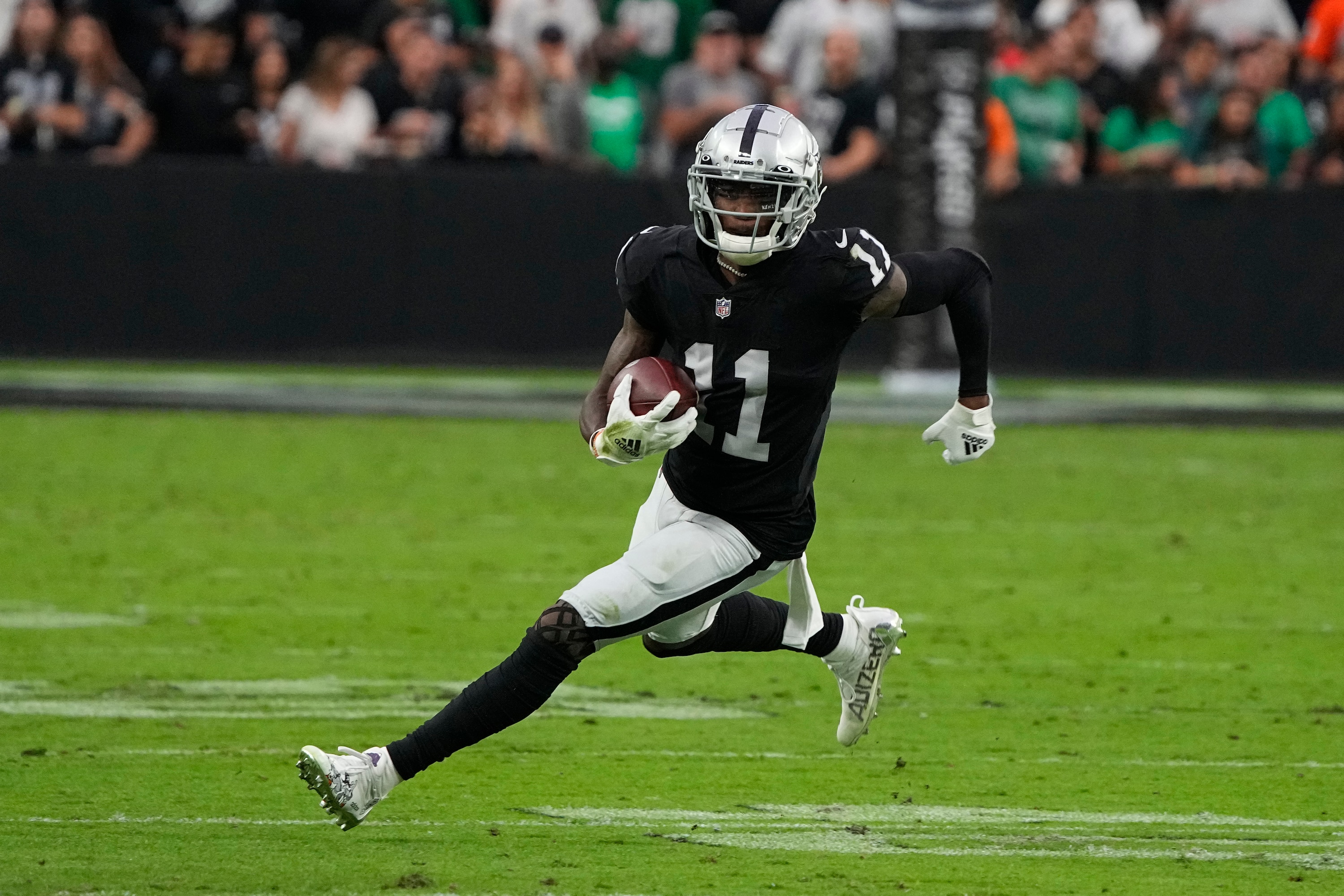
The NFL retains authority to discipline players independently of the legal system.
Even if a team expressed interest, Ruggs would likely need formal reinstatement clearance before taking part in football activities.
Why a Team Might Consider It
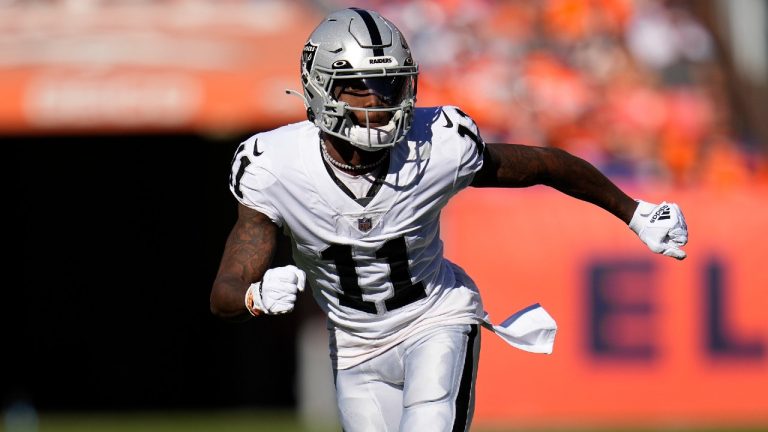
From a purely football standpoint, Ruggs was:
-
A former first-round draft pick
-
An elite vertical speed threat
-
A player with rare acceleration
San Francisco's offense thrives on speed and spacing. On paper, his skill set once aligned with that philosophy.
But football ability would not be the primary factor in the evaluation.
The 49ers' Culture Question
Kyle Shanahan and John Lynch have built a locker room culture emphasizing:
-
Accountability
-
Veteran leadership
-
High character standards
Signing a player with Ruggs' past would require:
-
Full locker room buy-in
-
Strong veteran mentorship
-
Clear expectations
-
Zero tolerance policy
The organization would need to determine whether the environment could genuinely support rehabilitation — not just athletic performance.
The Public and Ethical Dimension
This scenario would trigger serious ethical discussion.
Supporters of second chances often argue:
-
Rehabilitation should allow structured reentry
-
Professional stability can promote accountability
-
Growth is possible after severe mistakes
Critics would counter:
-
The gravity of past actions matters
-
Victim impact cannot be minimized
-
Football opportunity must not overshadow responsibility
This would not be a typical comeback story. It would carry moral complexity.
The Risk Calculation
For the 49ers, risks would include:
-
Public backlash
-
Sponsor reaction
-
Media scrutiny
-
Internal distraction
The potential upside would be limited unless leadership believed there had been meaningful personal change and legal resolution.
No organization makes such a decision lightly.
What Would Make It Possible?
If a comeback were ever realistic, it would likely require:
-
Public acknowledgment and accountability
-
Demonstrated rehabilitation efforts
-
Community engagement initiatives
-
Transparent communication from the team
Without those elements, the move would be difficult to justify.
The Bottom Line
As of now, there is no confirmed agreement between Henry Ruggs III and the San Francisco 49ers.
If such a signing were to occur, it would become one of the most debated roster decisions of the decade — less about speed and touchdowns, more about accountability, redemption, and the boundaries of second chances in professional sports.